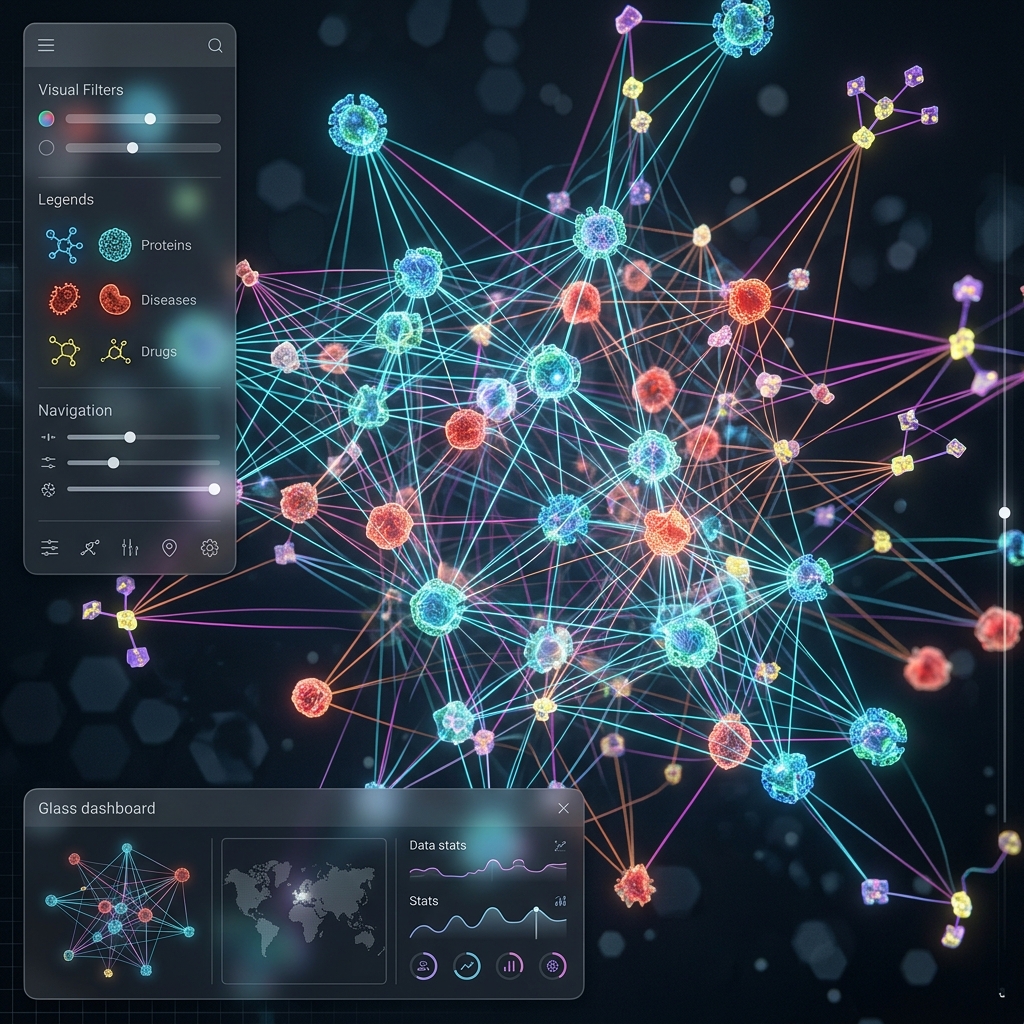
The AI-native Drug Discovery Operating System reducing timelines from years to months through autonomous reasoning and scientific knowledge graphs.
Literature Review Effort Reduction
Research Productivity Increase
Autonomous AI Orchestration
Drug discovery is exceptionally slow, expensive, and scattered across fragmented data silos. AI-RxOS unifies knowledge graphs, intelligent agents, and foundation models to streamline the entire lifecycle.
Reduce time to scientific insight by automatically ingesting literature, clinical trials, and patents.
Continuously reason over scientific evidence to generate novel hypotheses and prioritize targets.
Enable data-driven investment decisions, licensing, and clinical prediction using holistic intelligence.
Eight intelligent modules designed specifically for next-generation drug discovery teams.
A continuously updated biomedical graph linking genes, proteins, diseases, drugs, trials, and publications. Perform sub-second semantic search over billions of nodes.
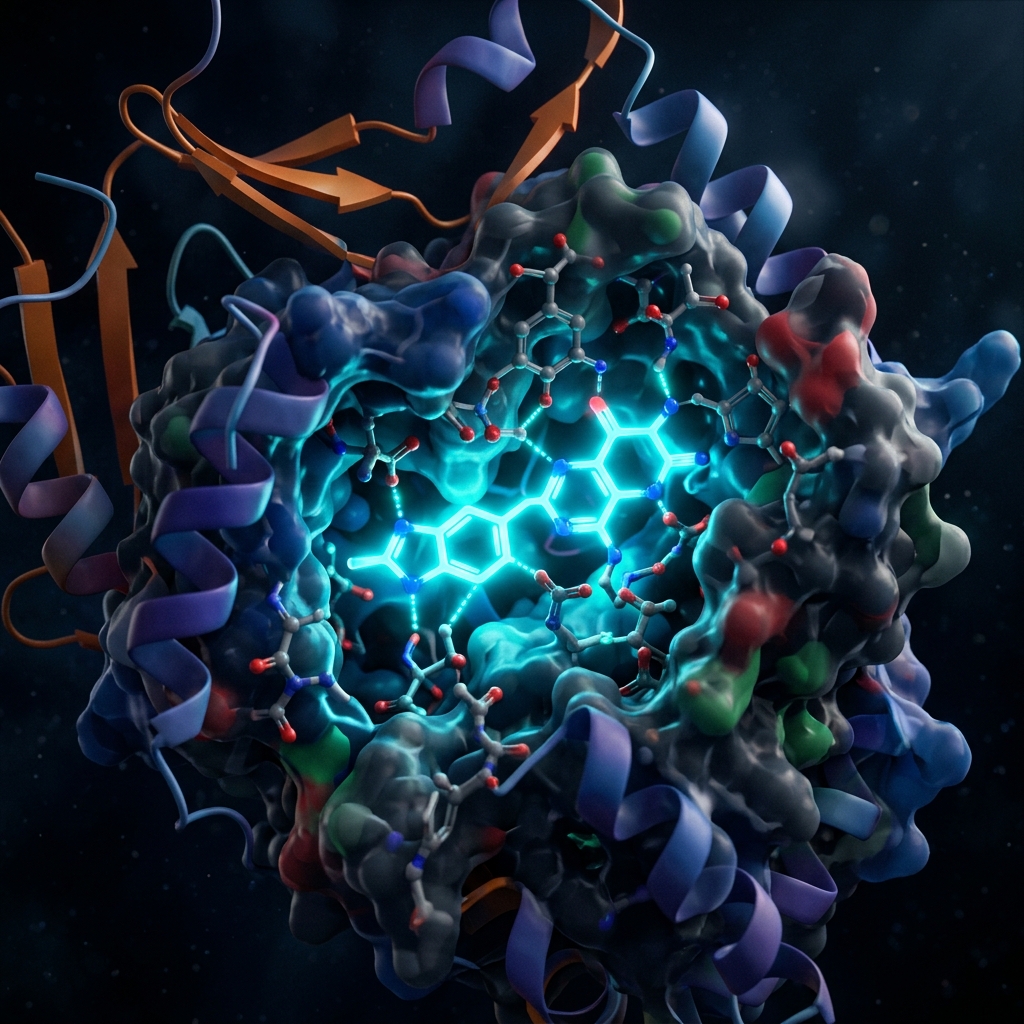
Generate molecular hypotheses from targets, binding pockets, or SMILES. Harness virtual screening, generative chemistry, and docking directly in your workflow.
Interact with your data using natural language. The copilot uses scientific reasoning to explain mechanisms, perform competitive analysis, and summarize literature.
A multi-agent ecosystem communicating via the Model Context Protocol (MCP) to handle specialized domains of discovery.
Identifies and validates novel targets.
Extracts insights from global publications.
Optimizes lead compounds and structures.
Monitors outcomes and trial design.
Calculates commercial and scientific scores.
Analyzes toxicology and patent landscapes.
Built for scale, security, and performance. Ready for SOC2 and HIPAA compliance.
Kubernetes, GPU Autoscaling, Distributed Caching
Neo4j, PostgreSQL, pgvector, OpenSearch
Biomedical LLMs, NVIDIA BioNeMo, AlphaFold, ESM
OIDC/OAuth2, RBAC, ABAC, AES-256 Encryption